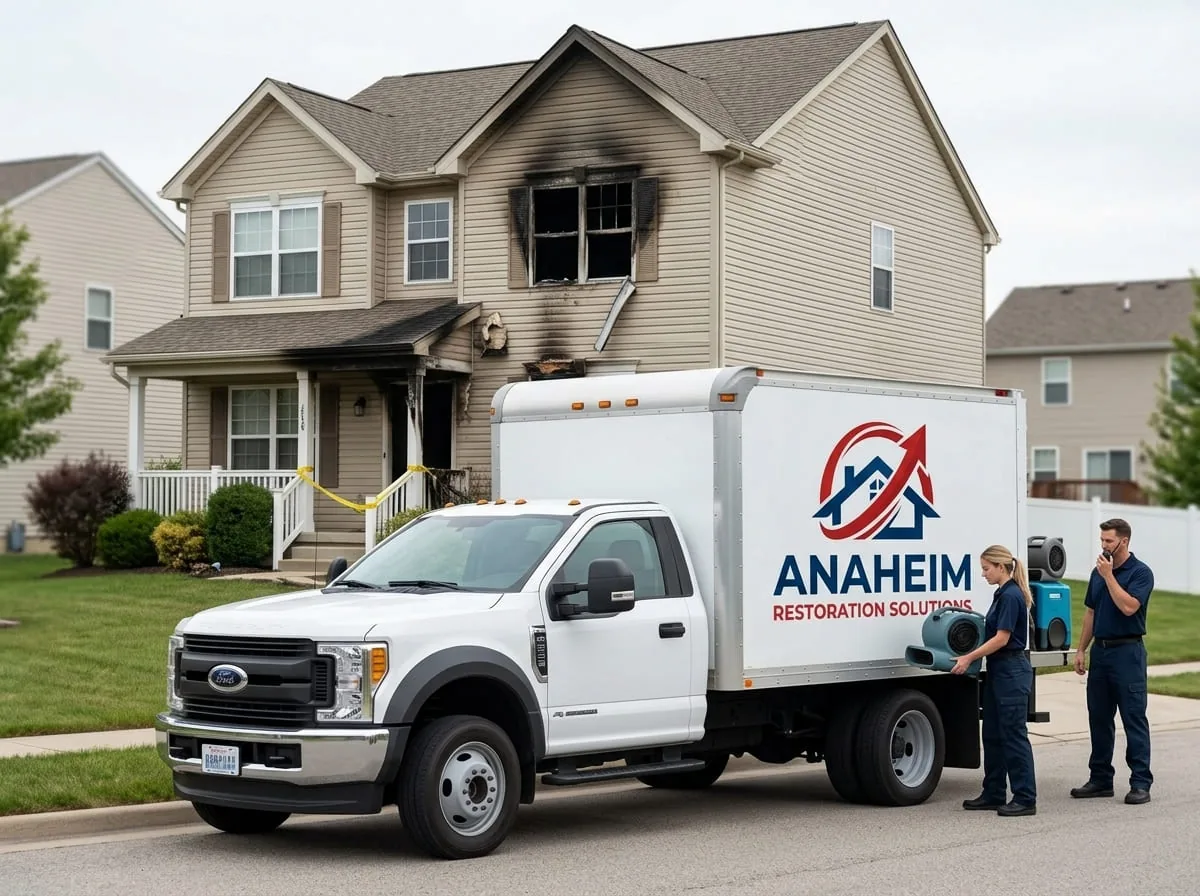
Board-up and tarping is usually the very first physical work done at a fire-damaged property, often before any cleaning or drying begins. Securing the structure protects it — and everything still inside it — from a second wave of damage caused by weather, wildlife, or people who shouldn't be there.
Why Board-Up and Tarping Happen First
Fires frequently leave a structure with breached windows and doors, either from the fire itself or from firefighters gaining entry and ventilating the building during suppression. Until those openings are covered, rain, wind, and outside air move freely through the property, undoing any drying or cleaning work almost as fast as it happens. Securing the structure first is what allows the rest of the restoration process to actually hold.
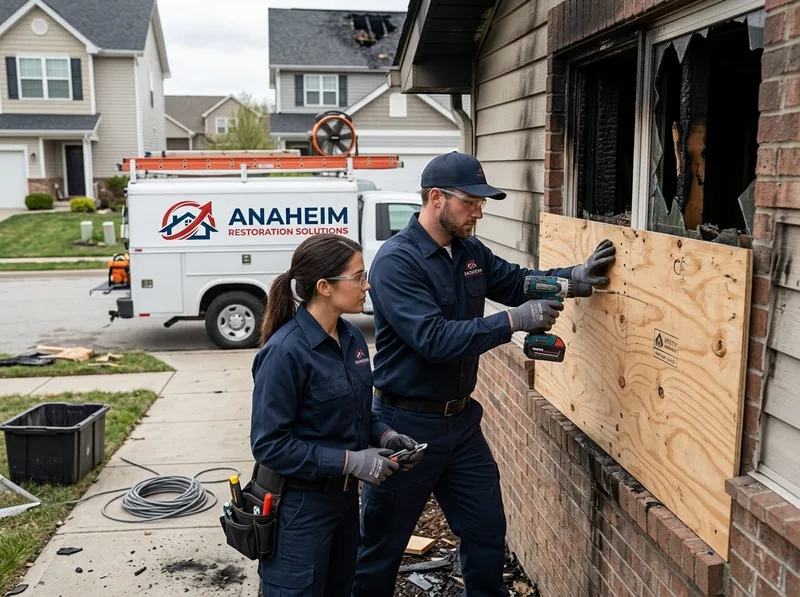
What Gets Boarded Up or Tarped
- Broken or shattered windows
- Doors damaged or forced open during the fire or fire response
- Roof openings cut for ventilation during firefighting, or damaged by the fire itself
- Any exterior wall breach large enough to allow entry or significant weather exposure
Security Risks of an Unsecured Fire-Damaged Property
An open, visibly damaged property is a target for vandalism and unauthorized entry, and it also creates a liability concern if someone is injured entering an unstable structure. Board-up and tarping close that window quickly, buying time for a full assessment and repair plan without the property sitting exposed in the meantime.
Board-Up and Tarping and Your Insurance Claim
Most property insurance policies require the policyholder to take reasonable steps to prevent further damage after a loss — this is often referred to as a duty to mitigate. Prompt board-up and tarping is a direct way to meet that requirement, and documenting it can support rather than complicate a fire damage claim.
Temporary Protection vs. Permanent Repairs
Board-up and tarping are deliberately temporary — plywood over a window opening or a tarp over a roof breach isn't meant to last through a full repair timeline, only to hold the structure secure until permanent work can happen. Once the property is stabilized, cleaned, and dried, permanent repairs move into the reconstruction phase covered on fire damage repairs and reconstruction.
Residential and Commercial Board-Up
Homes typically need board-up for a handful of windows or doors and sometimes a roof tarp. Commercial properties may need a much larger area secured — storefront glass, loading dock doors, multiple roof sections — and often face additional pressure to secure the space quickly to limit further business disruption.