"Black mold" is a common term for mold growth that appears dark green, black, or nearly black in color — it isn't a single species, and lab identification is the only way to determine exactly what's growing in a given case. What matters more than the exact species, in most remediation decisions, is the same thing that matters for any mold: how much has grown, where it's growing, what caused the moisture behind it, and how it needs to be safely contained and removed.
The professionals in our network treat all visible mold growth with the same careful containment and removal process regardless of color, since color alone isn't a reliable way to judge severity or risk.
Where Black Mold Typically Appears
- Around persistent leaks — under sinks, behind washing machines, near water heaters
- On drywall or framing that stayed wet after a burst pipe or ceiling leak
- In bathrooms with poor ventilation, especially around tile grout and shower surrounds
- In crawl spaces or other low-airflow areas with chronic moisture
- Around window frames or exterior walls where condensation regularly forms
Why Professional Handling Matters
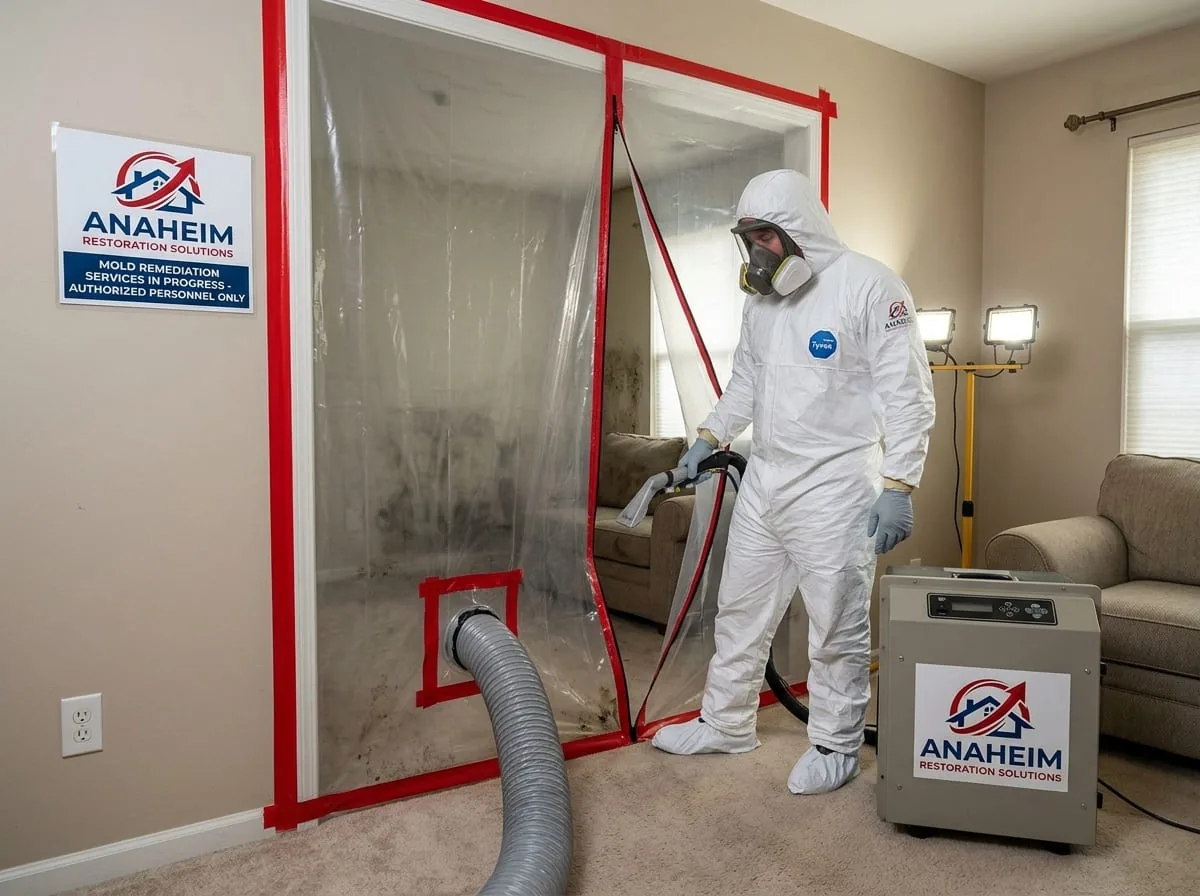
Disturbing mold growth — scrubbing, dry-brushing, or demolishing affected material without containment — can release spores into the air and spread the problem to previously unaffected areas of the property. This is true of mold generally, not just dark-colored growth, but it's the reason our network's technicians set up containment barriers and, where appropriate, negative air pressure before removal work begins, rather than treating it as a simple cleaning job.
We don't make specific medical claims about any individual case, and encourage anyone with health concerns related to mold exposure to speak with a physician. What our network's technicians can do is remove the mold, correct the moisture source that allowed it to grow, and verify the result — which is the practical, actionable part of the problem.
The Remediation Process
Black mold remediation follows the same general structure as other mold jobs: the affected area is contained to prevent spore spread, unsalvageable material is removed and disposed of properly, remaining surfaces are cleaned and treated, the space is dried completely, and the underlying moisture source — a leak, poor ventilation, or a drainage issue — is addressed so the problem doesn't return. If documentation is needed, post-remediation verification and clearance testing can confirm the space meets an acceptable condition once work is finished.
When It Follows Water Damage
Dark mold growth after a recent leak or flood is one of the more common calls our network receives, particularly when drying wasn't completed quickly or thoroughly. If your case started with a water event, Mold After Water Damage covers that situation specifically, and structural drying and dehumidification addresses the moisture side directly.
Before Help Arrives
- Avoid touching, scrubbing, or disturbing the growth
- Close off the affected room if possible to limit airflow to the rest of the property
- Don't run HVAC systems that draw air from or near the affected area
- Photograph the area for your records before any cleanup begins
- Keep children, pets, and anyone with respiratory sensitivities away from the area until it's assessed
Residential and Commercial Cases
Black mold remediation comes up in homes and businesses alike — often in bathrooms, kitchens, and utility areas in residential properties, and in mechanical rooms, restrooms, or areas near roof or plumbing leaks in commercial buildings. Our network scopes each job around the property type, size of the affected area, and whether the space needs to stay occupied during the work.