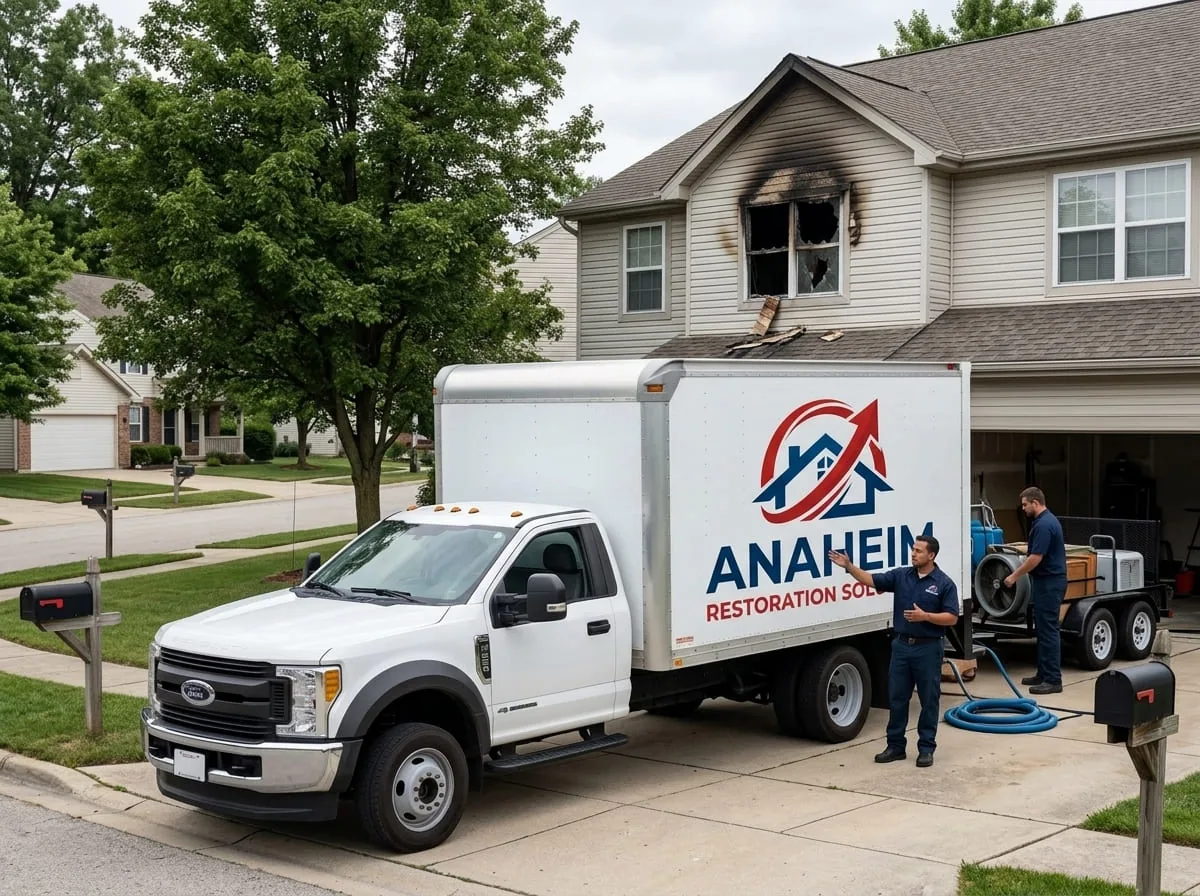
Once the fire department has cleared a property, the fire itself is out but the damage is still active. Soot residue, lingering smoke, and standing firefighting water don't stop causing harm just because the flames are gone — they keep etching surfaces, bonding into materials, and soaking further into the structure with every hour that passes. Emergency fire damage restoration is the response that starts that clock running the other direction.
Signs You Need Emergency Restoration, Not a Standard Cleanup
- Active fire department response occurred at the property, regardless of how small the visible burn area looks
- Windows, doors, or roof sections were broken or cut open during suppression or ventilation
- Standing water is visible on floors or dripping from ceilings
- A strong smoke smell is present in rooms away from where the fire started
- Soot is visible on walls, ceilings, or HVAC vents
Any of these on their own is reason enough to get a professional assessment started immediately rather than waiting to see how things look in the morning.
What Happens in the First 24–48 Hours
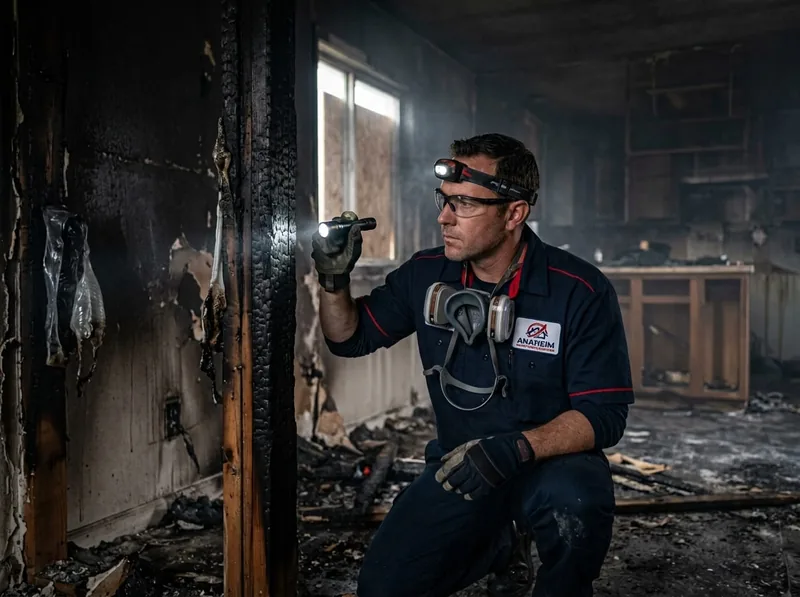
Emergency response typically starts with a safety walk-through to confirm the structure is stable enough to work in, followed by securing the exterior — boarding broken windows and doors, tarping roof openings — so weather and unauthorized entry aren't added to the list of problems. If firefighting water is present, extraction begins right away, since standing water left overnight in a fire-damaged structure is one of the fastest paths to a secondary mold problem. Soot and smoke are documented and pretested on different surfaces to determine cleaning approach before anything is touched.
Why Delay Makes Everything More Expensive
Soot's acidic residue etches metal, glass, grout, and porcelain within hours to a few days — surfaces that were cleanable on day one can require full replacement by day four or five. Smoke odor bonds more permanently into drywall, insulation, and fabric the longer it's left untreated. And firefighting water that isn't extracted and dried quickly creates the moisture conditions mold needs to establish, often inside wall cavities where it isn't visible until the smell shows up. Acting fast is what keeps a fire damage claim from turning into a fire-and-mold claim. See how mold develops after water intrusion for more on that timeline.
What Can Typically Be Saved vs. What Usually Can't
Hard, non-porous surfaces — tile, glass, most metal fixtures, sealed wood — can often be cleaned successfully if soot is addressed quickly. Porous materials that were close to the fire or heavily saturated with firefighting water — drywall, insulation, carpet padding, particleboard furniture — are more often replaced than restored. Textiles, upholstery, and personal items usually fall somewhere in between and are evaluated individually rather than written off as a category.
Residential and Commercial Emergency Response
A house fire and a commercial fire create the same core problems — soot, smoke, water, and security — but at different scale. Homes typically need faster contents triage since families need livable space back sooner, while commercial properties often carry code-driven inspection requirements before reopening and larger HVAC systems that can spread smoke further through the building. Emergency response for either is coordinated the same way: fast, and matched to what the property actually needs.
Before Help Arrives: What to Do and What to Avoid
- Do not re-enter the structure until the fire department has confirmed it's safe
- Do not turn on the HVAC system — it will spread soot and odor to unaffected rooms
- Do not attempt to wipe soot off walls or fabric with water — many soot types smear and set with water and need dry cleaning methods first
- Do not touch electrical panels, switches, or appliances that were exposed to fire or water
- Do photograph visible damage for insurance if it's safe to do so
- Do keep the property secured until board-up can be completed